Designing Nature-Positive Cities: What Frankfurt Needs Next
After attending Design for People in Frankfurt, Alive reflects on the growing demand for green spaces, rooftop nature, and a more nature-positive city identity.
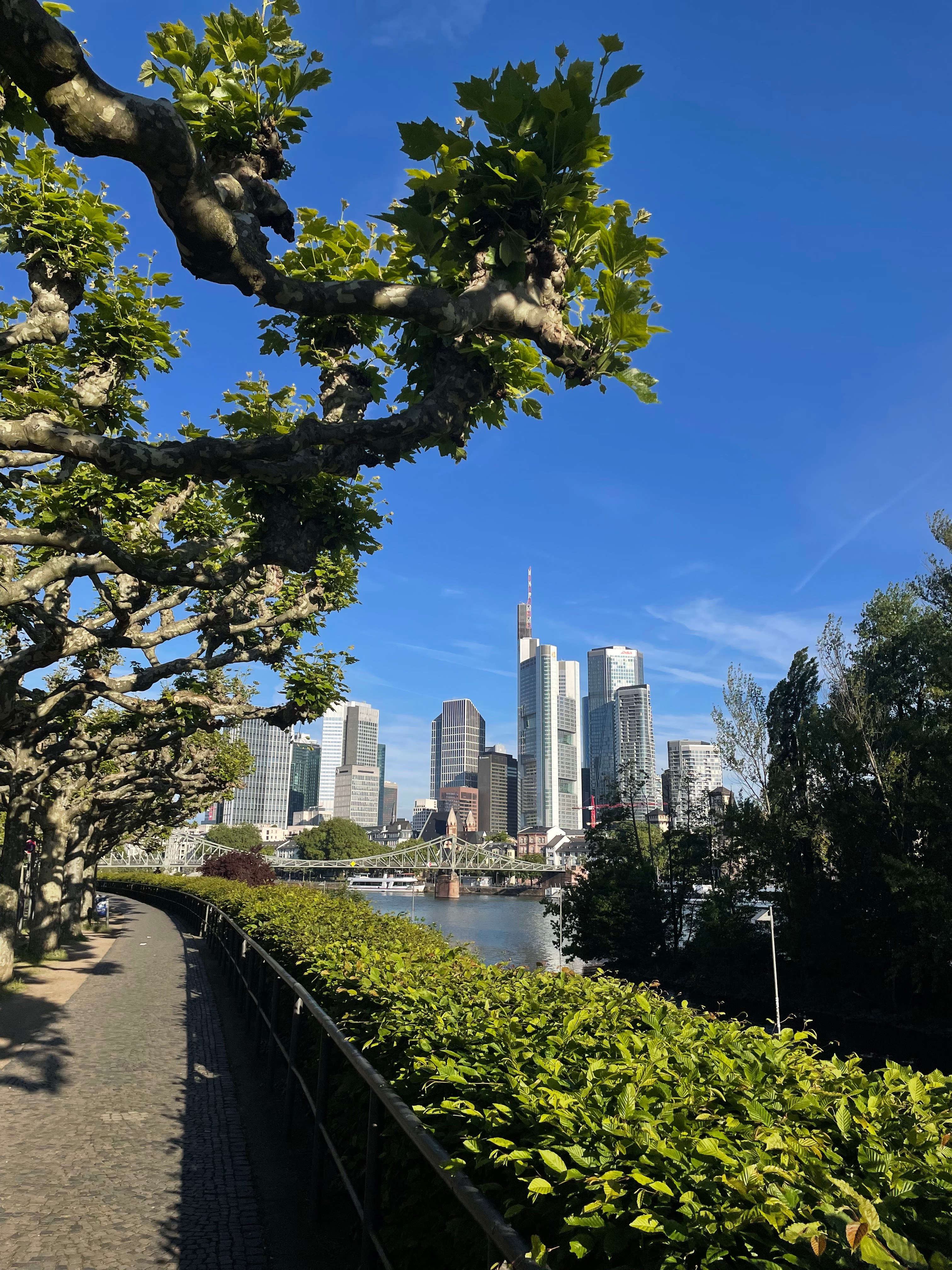
Cities are being asked to become more resilient, sustainable, and people-oriented at the same time. At the Design for People event in Frankfurt, Alive joined a conversation about what that transition can look like when urban design puts people and nature back at the centre.
Frankfurt is asking for more green space
One message came through clearly: there is high demand for more green spaces across Frankfurt, including rooftops. As the city grows denser and the effects of environmental change become more visible, accessible nature cannot remain an afterthought. Rooftop gardens, connected green corridors, shaded public spaces, and living infrastructure can help cities manage heat, support biodiversity, and create healthier places to live and work.
Nature makes the city more attractive to workers
Frankfurt also has a strong opportunity to make the city centre more attractive for people commuting to offices. Green, welcoming surroundings can change how people experience the working day — turning arrival, breaks, and movement through the city into moments of restoration and connection rather than simply another part of the commute.
Bringing nature-positivity back into Frankfurt’s image
For Alive, this is about more than individual projects. It is about integrating nature-positivity back into the image and identity of Frankfurt. A resilient city should be able to show how economic activity, design, public life, and ecological systems can reinforce one another. That requires collaboration between city institutions, architects, landscape designers, businesses, and the people who use these spaces every day.
The event’s focus on sustainable city-building — including perspectives from presenter Andreas Kipar, lessons from Milan, and the Grüngürtel project in Frankfurt — reinforced the value of designing with long-term systems in mind. When green infrastructure is treated as essential infrastructure, the city becomes better prepared for environmental shifts while becoming more attractive and liveable now.
A shared direction for urban resilience
Alive supports initiatives that connect innovation, transformation, people, and nature. The next step is to keep creating spaces where these perspectives can meet and lead to practical action. Frankfurt has the opportunity to become a stronger example of a city that does not choose between progress and nature, but designs the two together.
Article references
Sources
- LAND — https://landprocess.com/
- Stiftung urban future forum e.V. — https://www.urbanfutureforum.org/
- World Design Organization — https://wdo.org/
- World Design Capital Frankfurt RheinMain 2026 — https://wdc2026.org/
- Deutsches Architekturmuseum (DAM) — https://dam-online.de/
- AIV Frankfurt — https://www.aiv-frankfurt.de/
- Deutsch-Italienische Vereinigung e. V. — https://www.div-frankfurt.de/
- Image: Alive Organizations — https://aliveorgs.io/
- Presenter reference: LAND — https://landprocess.com/