How ESG and the Circular Economy Connect
A straightforward look at how businesses can connect ESG reporting with circular design, reuse, and material recovery.
Introduction
Environmental, Social, and Governance (ESG) principles have become central to modern business strategies. As organizations worldwide strive to align their operations with these principles, the concept of the circular economy emerges as a vital strategy for achieving sustainability goals. This section delves into the intersection of ESG and the circular economy, exploring how adopting circular practices can create economic value while promoting environmental stewardship and social equity.
Understanding ESG and Its Importance
What is ESG?
ESG is a way to organize information about a business’s environmental and social impacts and how it is governed. The topics that matter vary by organization, sector, and reporting purpose.
Why is ESG important?
- Investor Appeal: Companies with strong ESG practices often attract more investment due to perceived lower risks.
- Regulatory Compliance: Governments worldwide are enacting policies requiring companies to disclose ESG metrics.
- Brand Reputation: Consumers prefer brands that demonstrate a commitment to sustainability and ethical practices.

What is the Circular Economy?
A circular economy aims to keep products and materials in use for longer through better design, repair, reuse, and recovery. What is practical depends on the product, supply chain, and available infrastructure.
Key Principles of the Circular Economy
- Design for Longevity: Products are designed to last longer and be easily repairable or upgradable.
- Resource Recovery: Materials are recycled and reused at the end of a product’s lifecycle.
- Waste Minimization: Processes are optimized to reduce waste generation.
Three examples in cities and buildings
The examples below focus on how city planning and building design can make better use of existing land and materials:
- Reuse developed land where it is suitable instead of expanding into undeveloped areas.
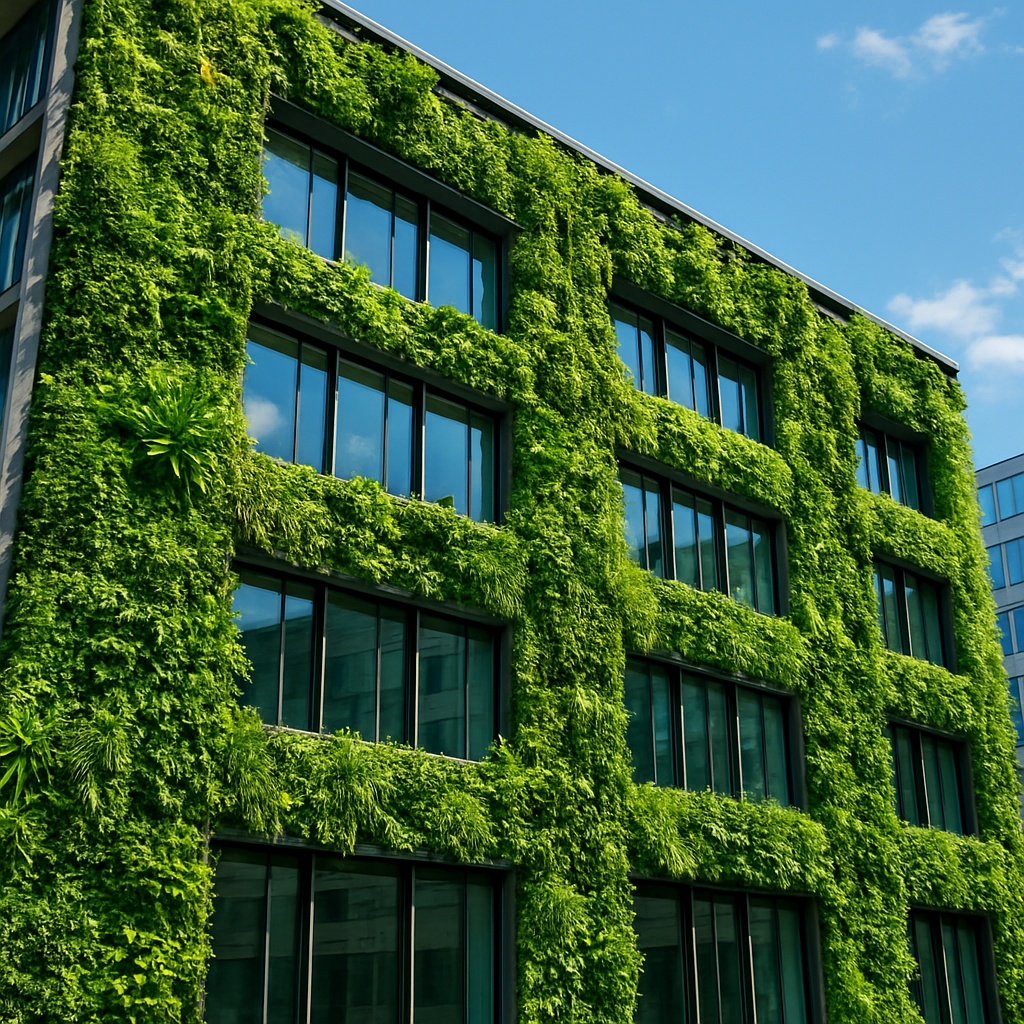
- Add or protect urban green space where it can serve residents and local ecosystems.
- Design buildings to use materials carefully and make repair or reuse easier.
Linking ESG and the Circular Economy
Environmental Impact
- Circular approaches may reduce material use or waste, but the effect depends on what is replaced and how the new process is run.
- For instance, collaboration between Portstex, RadiciGroup, and PoorLoop are making fiber recycling a reality, aiming to fully recover polyester textile waste. (Check @aliveorgs’ reels for detailed information.)
Economic Benefits
The Ellen MacArthur Foundation estimates that nature-positive urban changes could create €158 billion in annual benefits across businesses, residents, and other stakeholders. The report includes examples such as:
- More attractive city spaces with additional green areas boosting income for shops, restaurants, and cafes.
- Transforming empty commercial buildings in city centers into housing, increasing local economic activity.
- Lower infrastructure costs by focusing on high-density developments in previously used areas (brownfields).
- Savings on energy and water bills for households and businesses through smarter use of green and blue spaces.
- Better health and productivity for workers in nature-friendly office spaces.
- New businesses and services emerging in revitalized urban areas with regenerated brownfields and expanded green spaces.
Environmental and Social Benefits
- Protecting or creating over 16,000 km² of green spaces.
- Avoiding around 5% of the EU's total CO2 emissions.
- Reducing peak urban temperatures in cities by 1-3°C.
- Boosting resilience: Increasing green spaces in cities helps businesses and communities better handle the effects of climate change.
- Improving competitiveness: Using material-efficient, modular construction with eco-friendly materials can lower material demand by 250 million tonnes & cut construction costs by up to 20%.
- Reducing risks: Nature-based climate strategies can protect €632 billion worth of properties and businesses from potential damage.
Governance Improvements
- Teams need clear owners and records to track material use, reuse, and waste over time.
- Transparent reporting systems, such as those promoted by the Global Reporting Initiative (GRI), enhance accountability.
Business Case for the Circular Economy
Portstex, RadiciGroup, and PoorLoop
Portstex, RadiciGroup, and PoorLoop have worked together on recovering polyester textile waste. The example shows how manufacturers and recycling partners can test ways to keep materials in use; the scale and results depend on the process and market.
IKEA
IKEA has embraced circular principles by offering furniture take-back programs and committing to using only renewable and recycled materials by 2030. These efforts align with their ESG goals and bolster their brand’s sustainability reputation.
Challenges and Solutions
Challenge: Transitioning to a circular economy may require substantial upfront investments. Solution: Explore green financing options and government grants designed to support sustainable initiatives.
Challenge: Resistance to change within organizations. Solution: Foster a culture of sustainability through leadership commitment and employee engagement programs.
Steps for Businesses to Embrace the Circular Economy
- 1Assess Current Practices: Perform an ESG audit to pinpoint opportunities for integrating circular economy principles.
- 2Redesign Products: Embrace modular designs to enable easier repair and recycling.
- 3Partner Strategically: Build partnerships with recycling firms, NGOs, and government bodies to establish sustainable supply chains.
- 4Educate Stakeholders: Promote awareness among employees, consumers, and investors about the advantages of adopting a circular economy.
- 5Invest in Technology: Utilize AI and IoT to track materials and optimize resource usage. (Check @aliveorgs' Instagram reels for insights into the potential of AI and IoT.)
Conclusion
Circular-economy changes can affect material use, costs, and waste. Before starting, look at the product, supply chain, and available recovery options; then set measures that let the team see whether the change is helping. The examples in this article are starting points, not a guarantee of savings or environmental benefit.
If you are considering a circular-economy project, start by defining the material or process you want to change and the evidence you will use to review the result. If you need help with that work, contact Alive to discuss the scope.
Sources
- Ellen MacArthur Foundation. (2021). What is the Circular Economy? https://ellenmacarthurfoundation.org
- Ellen MacArthur Foundation. (2024). Building Prosperity: Unlocking the Potential of a Nature-Positive, Circular Economy for Europe. https://www.ellenmacarthurfoundation.org/building-prosperity
- Global Reporting Initiative (GRI). (2023). Sustainability Reporting Standards. https://www.globalreporting.org
- European Commission. (2020). Circular Economy Action Plan. https://ec.europa.eu/environment/circular-economy/
- IKEA. (2023). Sustainability Strategy: People & Planet Positive. https://www.ikea.com